

Crepe Paper Insulation
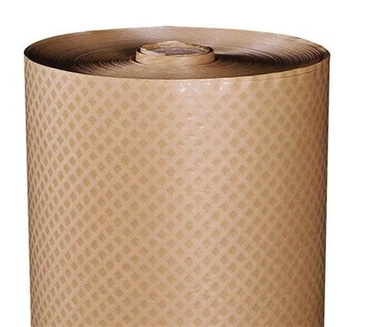
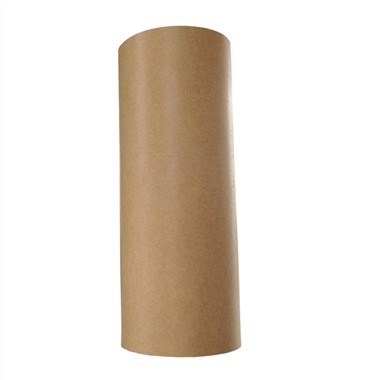
Crepe paper insulation refers to the use of crepe paper as an insulating material in various applications, particularly in the electrical and electronics industries. Crepe paper, with its textured and wrinkled surface, offers unique properties that make it suitable for insulation purposes. It is...
Description
Crepe paper insulation refers to the use of crepe paper as an insulating material in various applications, particularly in the electrical and electronics industries. Crepe paper, with its textured and wrinkled surface, offers unique properties that make it suitable for insulation purposes. It is often used in transformers, motors, generators, and other electrical equipment to provide electrical and thermal insulation.
Here are some key characteristics and uses of crepe paper insulation:
Electrical Insulation: Crepe paper's dielectric properties make it an effective electrical insulator. It is used to separate and insulate different conductive components within electrical equipment, preventing electrical arcing and short circuits.
Flexibility: Crepe paper's inherent flexibility allows it to be easily wrapped and conform to the shapes of various components. This makes it suitable for applications where complex geometries need to be insulated.
Layer Insulation: Crepe paper is often used as a layer between winding wires in transformers and other electrical devices. It helps maintain the necessary insulation between adjacent windings.
Thermal Insulation: Crepe paper also provides some level of thermal insulation. In applications where heat generation is a concern, crepe paper can help manage and dissipate heat.
Mechanical Protection: Aside from its electrical and thermal properties, crepe paper can offer a degree of mechanical protection to the components it covers. It helps shield components from physical damage and vibrations.
Transformer Applications: Crepe paper is commonly used in transformers, where it can be applied between windings, around core laminations, and as part of barrier systems to prevent the migration of insulating fluids.
Oil Impregnation: In some cases, crepe paper is impregnated with insulating oils to enhance its dielectric properties and further improve its performance in high-temperature environments.
When using crepe paper insulation, it's important to choose the appropriate type and quality of crepe paper based on the specific requirements of your application. Different crepe paper materials may have varying thicknesses, dielectric strengths, temperature resistance, and other properties, which should be considered to ensure proper insulation and overall equipment reliability.
| Item | Unit | Value | ||||
| Crepe Paper | Thickness | mm | 0.05 | 0.075 | 0.08 | 0.13 |
| Tolerance | 0.35±0.05 | 0.48±0.08 | 0.60±0.10 | 0.80±0.10 | ||
| Ash Content | % | ≤0.7 | ≤0.7 | ≤1.0 | ≤1.0 | |
| Moisture | % | 6.0~9.0 | ||||
| Ether extract | % | ≤0.3 | ≤0.3 | ≤0.4 | ≤0.5 | |
| PH | 6.5~7.5 | |||||
| Pollution Oil | % | <0.1 | ||||
| Tensile Strength | MD | KN/m | ≥1.96 | ≥2.60 | ≥3.0 | ≥3.3 |
| CD | ≥1.30 | ≥1.96 | ≥2.3 | ≥2.7 | ||
| Wrinkle degree | % | ≥50 | ||||
| Breakdown voltage in air | V/layer | ≥950 | ≥1000 | ≥1000 | ≥1000 | |
| Conductivity,water displacing liquid | mS/m | ≤8.0 | ≤8.0 | ≤9.0 | ≤10 | |
| Density | g/m2 | 60±10% | 110±10% | 110±10% | 130±10% | |
Hot Tags: crepe paper insulation, manufacturers, suppliers, factory, price, in stock, GHG insulation paper, DDP paper, NHN insulation, DMDM insulation paper, NHN paper, NMN insulation materials