Properties And Applications Of Various Insulating Films
Sep 02, 2022
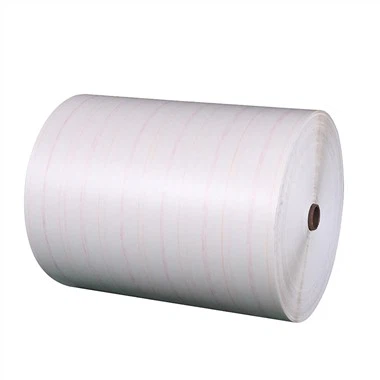
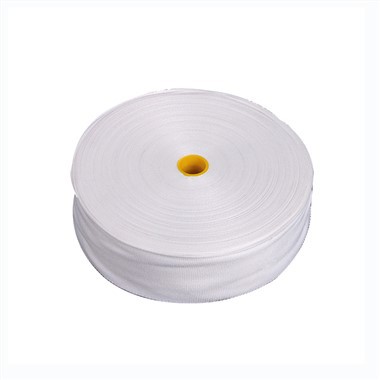
The insulating film is polymerized from several kinds of macromolecular materials. It is characterized by its thin thickness, 0.006-0.5mm, soft and moisture resistant, good electrical and mechanical properties, and high chemical stability. It is mainly used as the winding insulation of motors, electrical coils, wires and cables, and as the capacitor medium.
Polyethylene film. Polyethylene is a white translucent solid, with a specific gravity smaller than that of water. The operating temperature is 80~100 ℃. It has good friction and high chemical stability. Below 60 ℃, it is almost not corroded by any organic solvent. Except for strong oxidizing acids (such as nitric acid), it can withstand the waterfall corrosion of most acids and alkalis, has low moisture absorption, and has outstanding insulation and radiation resistance. However, it expands, discolors, and even cracks under the action of oils, especially high-temperature mineral oils.
The film made of polyethylene has a tough texture and can still maintain its softness at - 80 ℃, but its heat resistance is poor. The long-term working temperature should not exceed 70 ℃, and its mechanical strength is not high. It is not suitable to bear strong loads. It is widely used as conductor insulation layer for communication cables, high-frequency cables and underwater cables.
Polytetrachloroethylene film. Polytetrachloroethylene is known as the king of plastics. Its film is thin and has high heat resistance and cold resistance. It can work in the range of - 250 ~ 250 ° C. It has excellent electrical performance, small dielectric loss, and is almost unaffected by temperature and frequency changes. It is not carbonized under the action of electric arc, chemically stable, does not dissolve in any organic solvent, does not burn, and does not absorb moisture. However, alkali metals and fluorine elements have obvious corrosive effects on it at high temperatures, At high temperature (if more than 300 ℃), the tensile strength decreases and the elongation increases greatly, while at low temperature, the situation is opposite. The manufacturing process of PTFE is complex and expensive. When the temperature exceeds 500 ℃, it will decompose into highly toxic gaseous fluorine.
Polytetrafluoroethylene film is commonly used for winding insulation and slot insulation of motors, cables or other equipment working under high temperature or corrosive environment, as well as capacitor medium, instrument insulation, etc.
Polyester film. Polyester film is a colorless transparent film with high tensile strength, electrical insulation strength, heat resistance and moisture resistance. It is stable to most chemicals and solvents, and will not be mildewed. However, it has poor arc resistance and alkali resistance, and its working temperature is - 60~120 ℃. It is suitable for slot insulation in low-voltage motors. It is used as insulation tape for interphase insulation and forming coil wrapping. It is often used with green paper to avoid mechanical damage.
Polyimide film. This kind of film has excellent high temperature resistance, cold resistance, radiation resistance and insulation performance, can work at 250 ℃ for a long time, can work at 400 ℃ for several hours, and carbonizes at more than 800 ℃, but does not burn, and has good water resistance, wear resistance, arc resistance, resistance to all organic solvents and acids, and Freon resistance. However, it is not resistant to strong alkali and should not be used in oil. The utility model is suitable for being used as the insulating material of high temperature resistant electrical components.