A Comprehensive Guide to Transformer Insulation: Types, Constructions, and Maintenance
Sep 24, 2024
Transformer insulation plays a vital role in ensuring the safety, reliability, and life of power transformers. It includes a variety of types, methods, and materials designed to prevent leakage, faults, and ensure efficient operation under varying environmental conditions.
Transformer Insulation Types
Full and Graded Insulation
- Full insulation: Uniform insulation levels throughout the winding, suitable for smaller transformers and low-capacity applications.
- Graded insulation: Also known as semi-insulation, the insulation near the center point of the winding is lower than the input side. Common in high-current grounded systems with voltages of 110kV and above, it reduces transformer size and cost, but may compromise safety compared to full insulation.
Insulation Construction
Internal Insulation
- Main insulation: Between windings and ground, between phases, and within windings of different voltage levels in the same phase. Critical for operational reliability and cost-effectiveness.
- Longitudinal Insulation: Ensures insulation integrity over the length of windings and components inside the transformer.
External Insulation
- Includes insulating bushings, air gaps, and other external components that protect the transformer from environmental factors such as moisture, dirt, and atmospheric conditions.
Methods and Materials
Insulation Methods
- Oil-immersed insulation: used primarily in high-voltage oil-immersed transformers, with excellent cooling, moisture resistance, and arc-extinguishing properties.
- Dry-type insulation: used in dry-type transformers, resistant to moisture and fire, but not well suited to high-voltage environments.
- Gas insulation: has a low dielectric constant and effective arc-extinguishing capabilities, but maintaining gas levels is costly and challenging.
Insulation Materials
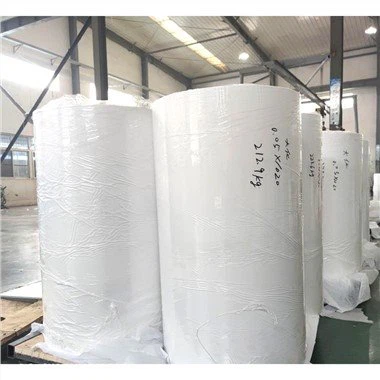
- Solid Materials: Include insulating papers like Nomex, Denison, and corrugated papers, offering thermal stability and moisture resistance.

- Liquid materials: such as insulating oils, require regular testing and maintenance to ensure operational integrity.
Heat Resistance Classes
- Classified as A, E, B, F, and H, each with specific temperature limits to maintain insulation integrity at different operating temperatures.
Common Insulation Failure Problems
Insulation Aging
- Mechanical and electrical insulation strengths gradually degrade over time due to factors such as moisture intrusion, chemical corrosion, and prolonged overload operation. This can be mitigated by regular testing, cleaning, drying, and oil maintenance.
Insulation Moisture
- Causes short circuits and system damage, usually due to poor sealing, transportation, installation, or maintenance. Prevention includes regular inspections, timely replacement of wet materials, and careful operating procedures.
Conclusion
Transformer insulation is the cornerstone of electrical safety and reliability, and is critical to maintaining operational efficiency and preventing catastrophic failures. By understanding the types, constructions, methods, and materials of transformer insulation, operators can effectively manage and maintain transformers to ensure the long-term performance and safety of the distribution network. Regular inspections, testing, and proactive maintenance are essential to mitigate the risks associated with insulation aging and moisture, thereby ensuring an uninterrupted and safe power supply.