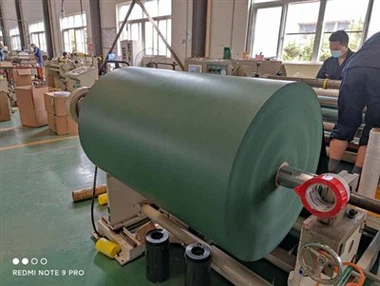
Insulation Materials and Insulation Testing in Transformers
Sep 30, 2024
Insulation materials play a vital role in the reliable and safe operation of transformers. They are used to electrically isolate conductive parts (such as windings and core) and prevent current from flowing between them. In addition, insulation materials must withstand the electrical, thermal and mechanical stresses encountered in transformer operation. This article provides an overview of commonly used insulation materials in transformers and the importance of insulation testing.
Insulation Materials in Transformers:
1. Cellulose Insulation: Cellulose paper, paperboard and cardboard are widely used for transformer insulation due to their excellent electrical and mechanical properties. They have high dielectric strength, good thermal conductivity and moisture resistance.
2. Nomex® and Aramid Paper: These synthetic materials have excellent thermal stability, high mechanical strength and outstanding heat aging resistance for demanding transformer applications.

3. Epoxy Resin: Epoxy resin is used to impregnate and coat transformer windings. It has high electrical insulation, excellent moisture resistance and good thermal conductivity.
4. Mineral Oil: In oil-immersed transformers, mineral oil is both an insulating material and a coolant. It has good dielectric strength and helps dissipate the heat generated within the transformer.
Insulation Testing:
Insulation testing is essential to ensure the integrity of the transformer insulation and detect potential faults. Common insulation tests include:
1. Insulation Resistance (IR) Test: This test measures the insulation resistance between conductive parts to assess the condition of the insulation layer. It helps identify moisture, contamination or degradation in the insulation layer.
2. Polarization Index (PI) Test: The PI test assesses the insulation layer's resistance to high voltage over a longer period of time. This test is performed by measuring the insulation resistance at regular intervals, providing information about the moisture content and aging of the insulation layer.
3. Partial Discharge (PD) Test: Partial discharge testing detects localized faults within the insulation system. It helps identify weak spots or defects that could lead to insulation failure.
4. Dielectric Withstand Voltage (Hipot) Test: This test applies high voltage stress to the insulation layer to determine its ability to withstand a specific voltage level without breakdown. It ensures that the insulation layer can withstand the expected operating conditions and transient voltage surges.
Conclusion:
Insulation materials and insulation testing are critical aspects of transformer design, manufacture, and maintenance. Proper selection and evaluation of insulation materials and regular insulation testing ensures transformer reliability, safety, and service life. By understanding insulation-related properties and test methods, transformer operators and maintenance personnel can effectively manage and monitor the performance of the insulation system.