Insulation materials can generally be divided into four categories
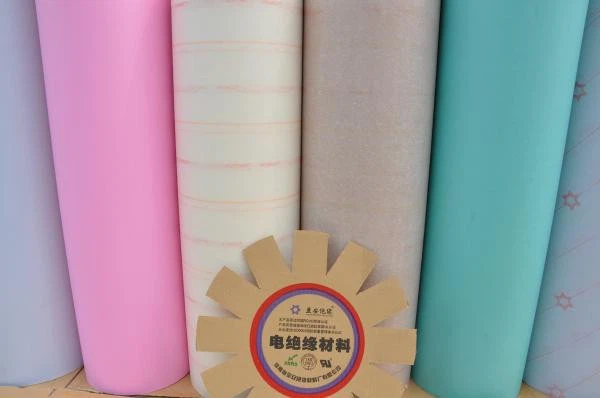
Generally speaking, commonly used solid insulation materials include insulation tubes, laminates, insulation films, insulation paper, rubber, plastic, glass, ceramics, mica, etc.;
Liquid materials include insulating paint, glue, resin, transformer oil, etc. Liquid materials are often prefabricated semi-solid materials; gas materials include nitrogen, sulfur hexafluoride, etc.
1. Classification by temperature is one of the most professional classifications;
Insulation materials are divided into A, E, B, F, H, C and other levels, and the corresponding temperature heat resistance levels of each level are as follows
A-level insulation---temperature 105℃,
E-level insulation---temperature 120℃,
B-level insulation---temperature 130℃,
F-level insulation---temperature 155℃,
H-level insulation---temperature 180℃,
C-level insulation---temperature above 200℃.
As the temperature rises, the insulation performance and stability of the insulation material will deteriorate. To ensure insulation strength, each insulating material has an appropriate maximum allowable operating temperature. At this temperature, the insulating material can be used safely for a long time, and it is easy to age and damage if it exceeds this temperature.
2.2 Series number classification is a relatively standardized classification method according to relevant national industry regulations:
① Paint, resin, glue
② Impregnated fiber products
③ Laminated products
④ Plastics
⑤ Mica products
⑥ Films, tapes and composite products.
⑦ Other insulating materials
3. Some manufacturers use their own codes to prevent other manufacturers from copying them.
There are some differences and crossovers in the insulation material system or other parts of the country. For example, 3243 epoxy glass fiber laminate is usually called FR4 epoxy glass fiber laminate in the electronics industry and EPGC202 epoxy glass fiber laminate in the aviation instrument power supply industry. In Europe and the United States, it is usually called G10 epoxy glass fiber laminate, and we need to understand this.
Some insulating products or processed products have not been officially included in the national standards, so they can only rely on the manufacturers to produce them themselves.
4. Classification by actual application.
Insulation materials generally have two major application areas, electrical insulation materials and electronic insulation materials. Our company mainly produces electrical insulation materials, which are used in various high-voltage transformers, motors, lightning arresters and many other aspects. They are also used in the manufacture of other types of electronic and electrical products. Electrical insulation material applications or electronic insulation materials have further subcategories, which will involve more industry products.