The Role of Milky White Polyester Film and Polyimide Film in Motors and Transformers
In the realm of electrical engineering, insulation materials are the unsung heroes that ensure the performance, safety, and longevity of motors and transformers. Among these materials, Milky White Polyester Film and Insulation Polyimide Film stand out for their unique properties and applications. Let's explore how these materials are revolutionizing electrical insulation, their uses, and their strengths and weaknesses.
Milky White Polyester Film: The Reliable Performer
Applications in Motors and Transformers:
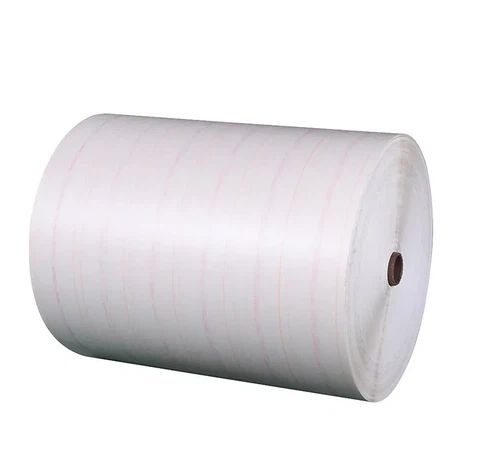
Milky White Polyester Film is widely used in motors for slot liners, phase insulation, and interlayer insulation. In transformers, it acts as an insulating barrier between different winding layers, enhancing operational efficiency.
Advantages:
1. Thermal Stability: Withstanding temperatures up to 150°C, it's ideal for heat-resistant applications.
2. Mechanical Strength: Offers excellent tensile strength and dimensional stability, ensuring durability under stress and vibration.
3. Electrical Insulation: High dielectric strength prevents electrical breakdown, ensuring reliable performance.
4. Cost-Effective: An affordable solution that doesn't compromise on quality.
Disadvantages:
1. Moisture Absorption: Can absorb moisture over time, affecting insulating properties in humid conditions.
2. Limited High-Temperature Range: Not suitable for applications requiring resistance beyond 150°C.


Insulation Polyimide Film: The High-Performance Champion
Applications in Motors and Transformers:
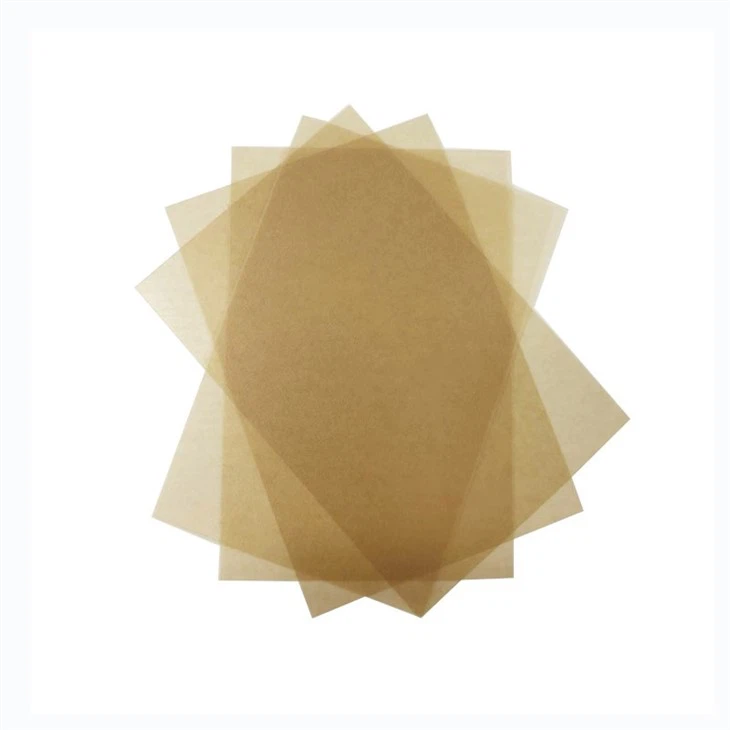
Polyimide Film is used in high-temperature zones of motors, such as slot liners and phase insulation. In transformers, it's employed in high-temperature insulation systems subjected to significant thermal and electrical stress.
Advantages:
1. Exceptional Thermal Resistance: Withstands temperatures up to 400°C, suitable for extreme heat applications.
2. Chemical Resistance: Remains stable in harsh environments, ideal for industrial use.
3. Superior Electrical Properties: Outstanding dielectric strength and low dielectric constant enhance efficiency.
4. Durability and Flexibility: Strong yet flexible, suitable for durable and adaptable applications.
Disadvantages:
1. Cost: Significantly more expensive than polyester film, which can limit its use in budget-sensitive projects.
2. Processing Complexity: Requires specialized equipment and techniques, making it more challenging to handle.
Conclusion
Milky White Polyester Film and Insulation Polyimide Film each offer unique advantages for motors and transformers. Milky White Polyester Film is cost-effective and reliable for standard applications, while Polyimide Film excels in high-performance, demanding environments due to its exceptional thermal and chemical resistance.
The choice between these materials depends on specific application needs, balancing thermal resistance, mechanical strength, electrical properties, and cost. As technology advances, these insulation materials will continue to play a crucial role in ensuring the reliability and efficiency of electrical systems, powering our world with greater precision and safety.