Electrical varnish is a special type of coating or liquid substance used to insulate and protect electrical components from environmental factors and electrical challenges. It is designed to enhance the electrical insulation properties of components and prevent leakage, short circuits and other faults. Electrical varnishes are often applied to components such as coils, transformers, motors and generators where maintaining a high level of electrical insulation is critical.
Key properties and features of electrical varnishes include:
· Electrical insulation: The main purpose of varnishes is to provide a layer of electrical insulation. It helps prevent the flow of current between conductive components, thereby reducing the risk of short circuits and electrical faults.
· Environmental protection: Varnishes form a protective layer that protects electrical components from environmental factors such as moisture, dust, chemicals and other contaminants. This protection is essential to prevent corrosion and maintain the long-term reliability of the components.
· Thermal stability: Electrical components typically generate heat during operation. Varnishes are formulated to withstand high temperatures, ensuring that the insulation remains effective even under harsh thermal conditions.
· Dielectric strength: Varnishes have high dielectric strength, which means they can resist breakdown under the influence of high electric fields. This property is critical to maintaining the integrity of insulation and preventing arcing.
· Application methods: Insulating varnishes can be applied by a variety of methods, including dipping, brushing, or spraying. The method selected depends on the component type, size, and specific requirements of the application.
· Varnish types: Insulating varnishes come in a variety of types, including epoxy varnishes, alkyd varnishes, and polyurethane varnishes. Each type has its own set of properties that make it suitable for specific applications.
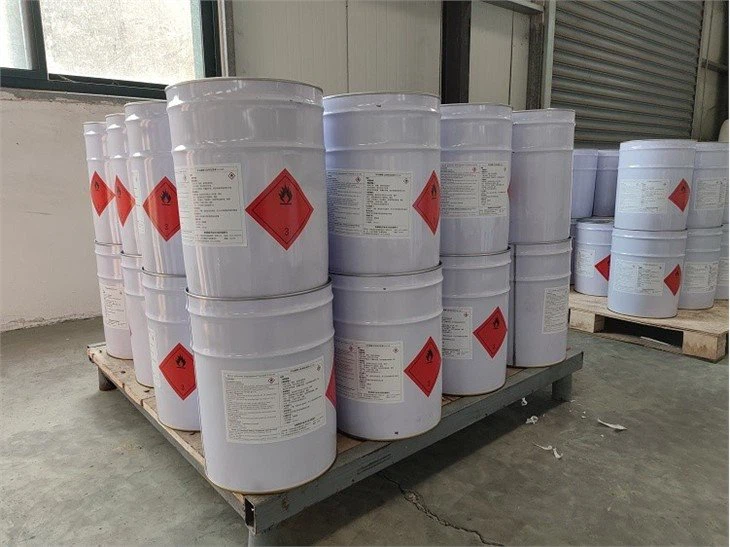
Electrical insulation varnishes play a vital role in ensuring the safety, reliability, and performance of electrical and electronic equipment. Selecting the appropriate varnish type depends on factors such as component type, operating conditions, and environmental considerations. Proper application and adherence to recommended curing processes are critical to maximizing the effectiveness of insulating varnishes in protecting electrical systems.