
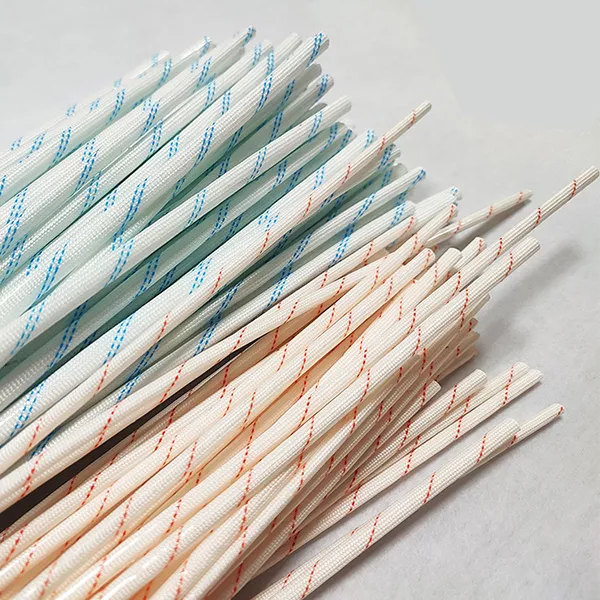
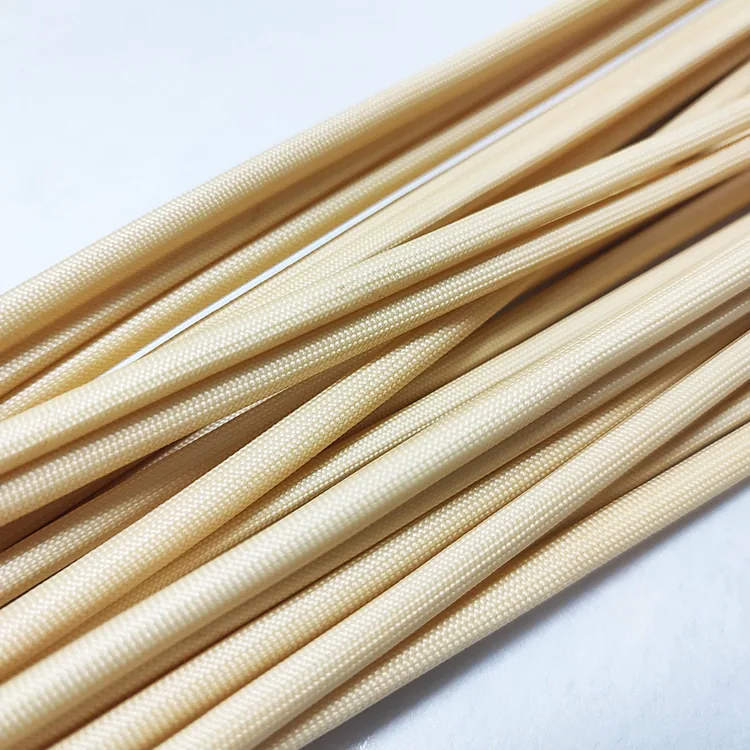
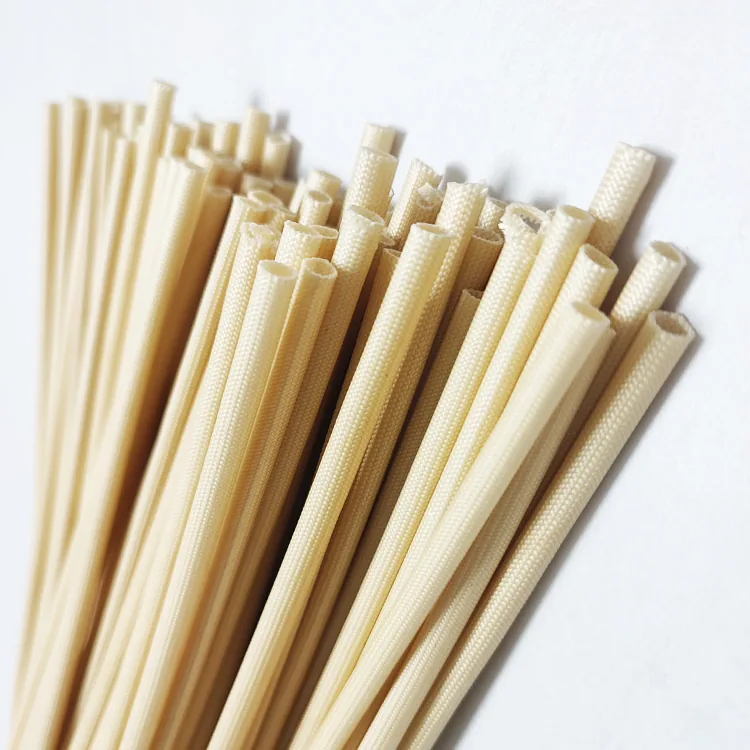
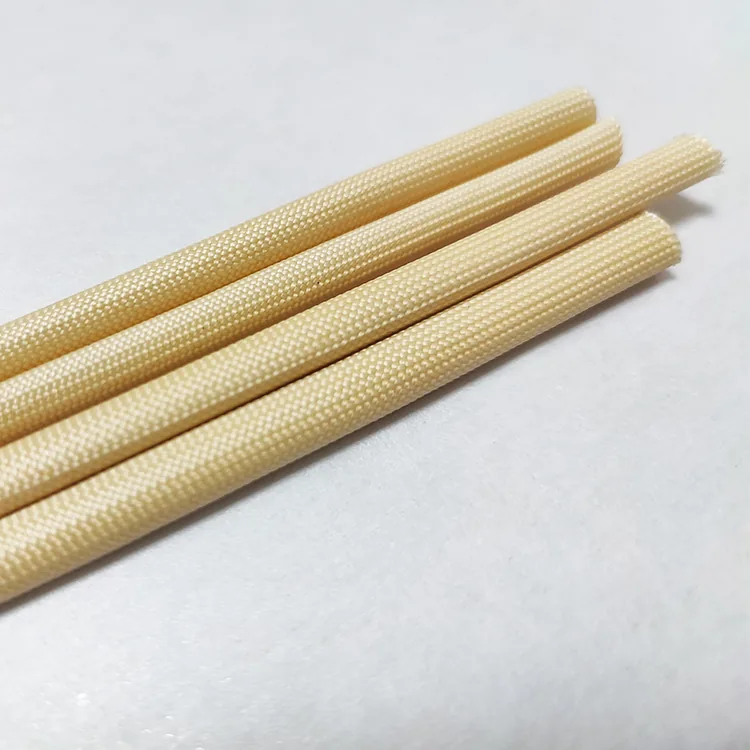
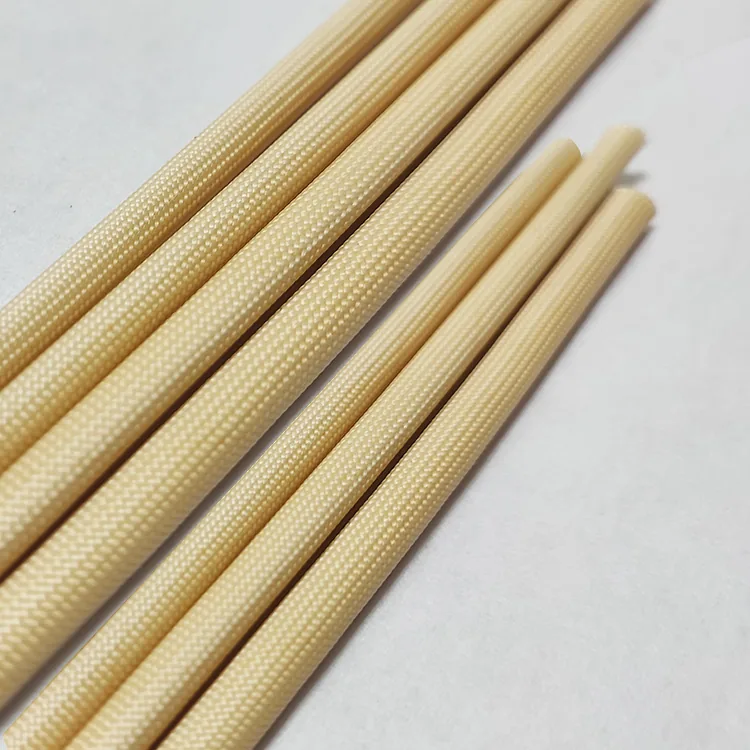
Fiberglass Sleeving Coated Sillicone Resine
Silicone fiberglass sleeve, silicone rubber fiberglass sleeve, the difference is as follows: 1) The surface coating materials are different, one is silicone.
ISO 9001:2015
ISO 14001:2015
ISO 45001:2018
UL E310670
RoHS
REACH
Description
Silicone fiberglass sleeve, silicone rubber fiberglass sleeve, the difference is as follows: 1) The surface coating materials are different, one is silicone resin and the other is silicone rubber. 2) The production process is different. Although the silicone resin glass fiber sleeve and the silicone rubber glass fiber sleeve are all woven from alkali-free glass fiber yarn, the later coating process is quite different. Silicone fiberglass sleeves are coated and silicone rubber fiberglass sleeves are extruded. 3) The performance of the two is different in all aspects. Whether it is temperature resistance, pressure resistance, flexibility or flame-retardant insulation, the silicone rubber fiberglass sleeve is better than the silicone fiberglass sleeve. The thermowell is made of high-bulk fiberglass sleeve and coated with thick iron oxide red silica gel. The heat-resistant sleeve can prevent molten iron from splashing and is not damaged by high temperature and flame. These properties make the thermowell It is suitable for hoses, cables and pipes in harsh environments. The heat-resistant sleeve can be continuously exposed to a high temperature of 260°C without damage. It can withstand a temperature of up to 1090°C for 15-20 minutes, and a temperature of 1650°C for 15-30 seconds. Heat resistant sleeves are available in a wide range of sizes up to a diameter of 125mm and have an excellent coefficient of elongation making them ideal for covering hoses and cables. The insulation properties of the heat-resistant sleeve can not only effectively prevent personnel from being burned by high-heat pipelines, but also greatly save the cost of heat energy loss.
Technical Specifications
| Properties | Unit | Value | |||||||
| Appearance | / | The coating should be uniform and the surface should be smooth, with no defects affecting the product performance. | |||||||
| Inner diameter and wall thickness | mm | Inner diameter | Wall thickness | ||||||
| Standard | Tolerance | ||||||||
| Two-way | One-way(+) | Min | Max | ||||||
| (±) | |||||||||
| 1 | 0.2 | 0.4 | 0.2 | 0.6 | |||||
| 1.5 | 0.2 | 0.4 | 0.2 | 0.6 | |||||
| 2 | 0.2 | 0.4 | 0.2 | 0.7 | |||||
| 2.5—3.0 | 0.2 | 0.4 | 0.2 | 0.7 | |||||
| 4.0—6.0 | 0.25 | 0.5 | 0.3 | 0.7 | |||||
| 8 | 0.25 | 0.5 | 0.3 | 1 | |||||
| 10 | 0.5 | 1 | 0.4 | 1 | |||||
| 12 | 0.5 | 1 | 0.4 | 1.2 | |||||
| 16—20 | 1 | 2 | 0.4 | 1.2 | |||||
| 25 | 1 | 2 | 0.4 | 1.4 | |||||
| Breakdown voltage | Value | KV ≥ | Pellet slot or straight core bar/100mm foil electrode | Mid-value | Minimum value | Mid-value | Minimum value | ||
| Under room temperature | 5.7 | 4.3 | 3.3 | 2.5 | |||||
| Under high temperature | 4.5 | 3.3 | 2.5 | 1.8 | |||||
| After hot and humid | 4 | 3 | 2.1 | 1.5 | |||||
| Insulation resistance | Under room temperature | Ω | — | ≥1.0×10¹¹ | |||||
| After hot and humid | ≥1.0×10¹⁰ | ||||||||
| Fire spreadability | Burning time | S | ≤60 | ||||||
| Visual inspection | — | The indicator flag should not burn on any of the three specimens. Nor should the cotton be ignited by ignited or burning particles or by ignited drops. | |||||||
| Soldering heat resistance | — | Pass (Only for sleeve with nominal inner diameter ≤ 5 mm) | |||||||
| Volatile content | Low content level | % | — | ≤1.0 | ≤0.7 | ||||
| Other level | ≤1.5 | ≤1.5 | |||||||
| Bending after heating | — | The coating has no visible cracks or peeling off, allowing the color to become darker (test temperature: 180±3℃) | |||||||
| Bending at low temperatures | — | The coating has no visible cracks or peeling off (test temperature: ≤-70~5℃) | |||||||
| Hydrolysis resistance of paint layer | — | There is no migration of the coating, no adhesion between the hose and the paper and the hose test piece, and no discoloration of the paper. | |||||||
| Shelf life | — | 6 months | |||||||
Specifications
| Properties | Unit | Value | |||||||
| Appearance | / | The coating should be uniform and the surface should be smooth, with no defects affecting the product performance. | |||||||
| Inner diameter and wall thickness | mm | Inner diameter | Wall thickness | ||||||
| Standard | Tolerance | ||||||||
| Two-way | One-way(+) | Min | Max | ||||||
| (±) | |||||||||
| 1 | 0.2 | 0.4 | 0.2 | 0.6 | |||||
| 1.5 | 0.2 | 0.4 | 0.2 | 0.6 | |||||
| 2 | 0.2 | 0.4 | 0.2 | 0.7 | |||||
| 2.5—3.0 | 0.2 | 0.4 | 0.2 | 0.7 | |||||
| 4.0—6.0 | 0.25 | 0.5 | 0.3 | 0.7 | |||||
| 8 | 0.25 | 0.5 | 0.3 | 1 | |||||
| 10 | 0.5 | 1 | 0.4 | 1 | |||||
| 12 | 0.5 | 1 | 0.4 | 1.2 | |||||
| 16—20 | 1 | 2 | 0.4 | 1.2 | |||||
| 25 | 1 | 2 | 0.4 | 1.4 | |||||
| Breakdown voltage | Value | KV ≥ | Pellet slot or straight core bar/100mm foil electrode | Mid-value | Minimum value | Mid-value | Minimum value | ||
| Under room temperature | 5.7 | 4.3 | 3.3 | 2.5 | |||||
| Under high temperature | 4.5 | 3.3 | 2.5 | 1.8 | |||||
| After hot and humid | 4 | 3 | 2.1 | 1.5 | |||||
| Insulation resistance | Under room temperature | Ω | — | ≥1.0×10¹¹ | |||||
| After hot and humid | ≥1.0×10¹⁰ | ||||||||
| Fire spreadability | Burning time | S | ≤60 | ||||||
| Visual inspection | — | The indicator flag should not burn on any of the three specimens. Nor should the cotton be ignited by ignited or burning particles or by ignited drops. | |||||||
| Soldering heat resistance | — | Pass (Only for sleeve with nominal inner diameter ≤ 5 mm) | |||||||
| Volatile content | Low content level | % | — | ≤1.0 | ≤0.7 | ||||
| Other level | ≤1.5 | ≤1.5 | |||||||
| Bending after heating | — | The coating has no visible cracks or peeling off, allowing the color to become darker (test temperature: 180±3℃) | |||||||
| Bending at low temperatures | — | The coating has no visible cracks or peeling off (test temperature: ≤-70~5℃) | |||||||
| Hydrolysis resistance of paint layer | — | There is no migration of the coating, no adhesion between the hose and the paper and the hose test piece, and no discoloration of the paper. | |||||||
| Shelf life | — | 6 months | |||||||