In the ever-growing field of electrical engineering, the pursuit of high-quality insulation materials is akin to the alchemist's pursuit of gold. It's about finding the perfect combination of features to protect our electrical infrastructure.
Today we turn our focus to three extraordinary materials that have become key to modern electrical insulation: power cable insulation paper, electrical polyester nonwovens and film composite fish paper.
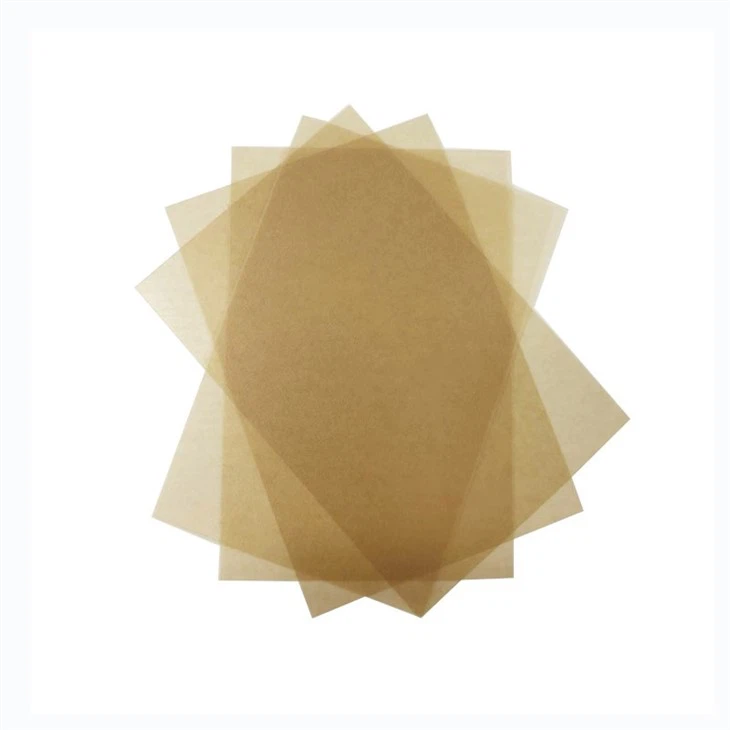
Power cable insulation paper: the silent guardian
Imagine a world where power cables fail at the slightest stress. Power cable insulation paper steps in as the unsung hero to ensure seamless transmission of power. Made from high-grade cellulose, this specialty paper has impressive dielectric properties and mechanical strength. Its main function is to insulate and protect power cables from short circuits and electrical faults.
The true excellence of power cable insulation paper is its resilience under thermal and electrical stress. It performs flawlessly in both low and high voltage applications, making it an integral part of underground and overhead power transmission. Its ability to withstand extreme temperatures and environmental conditions makes it a reliable guardian of our electrical infrastructure.
Electrical polyester nonwovens: the master of many talents
Enter the world of electrical polyester nonwovens, a material that combines versatility and performance. The fabric is composed of dense polyester fibers that offer a unique combination of electrical insulation and mechanical strength. Its nonwoven properties allow it to be easily molded into a variety of shapes for a wide range of applications.
This fabric is a star product for the insulation of transformers, motors and other electrical equipment. Its high tensile strength and excellent thermal stability ensure it can withstand harsh environments. Additionally, its chemical and moisture resistance make it ideal for applications where durability is critical.
But perhaps the most fascinating aspect of electrotechnical polyester nonwoven is its sustainability. As the industry shifts toward environmentally friendly practices, the fabric's recyclability and low environmental impact make it a top choice for manufacturers committed to green innovation.
Fish paper and film insulation composites: classic contenders
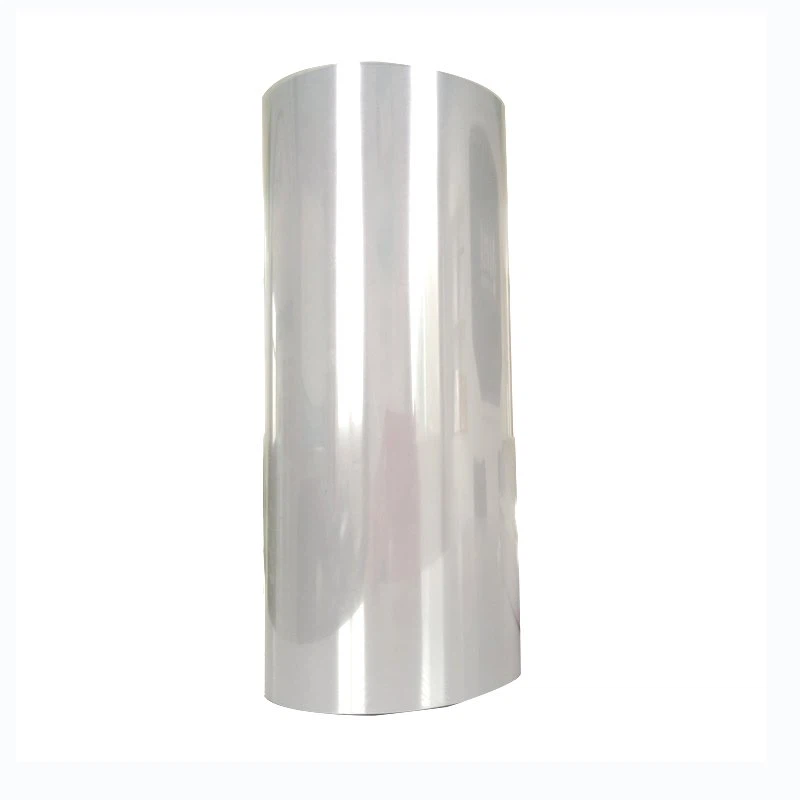
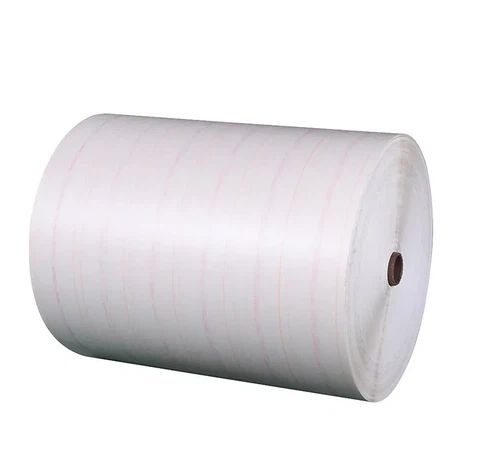
Thin film insulation composite fish paper is like a timeless classic music. This composite material combines the traditional appeal of fish paper, known for its excellent electrical insulation properties, with a modern film layer that adds durability and performance.
Fish paper is derived from vulcanized fibers and has been a staple in electrical insulation for decades. When used in conjunction with a protective film, this composite material achieves enhanced mechanical strength as well as moisture and chemical resistance. It is a perfect harmony of old and new, providing solid insulation for various electrical components.
This material excels in applications such as gasket insulation, slot lining and barriers in electrical equipment. Its ability to maintain integrity under high temperatures and electrical stress makes it a reliable choice for modern applications.
Conclusion: The future of electrical insulation
As we stand on the brink of a technological revolution, the importance of reliable electrical insulation cannot be overstated. Power cable insulation paper, electrical polyester fiber non-woven fabrics, and film composite fish paper each exert their unique advantages to ensure the safety and efficiency of the power system.
Blending tradition and innovation, these materials are the silent sentinels guarding our power grids, electronic devices and industrial machinery. On the grand stage of electrical engineering, these insulation materials are the thread that weaves together safety, reliability and progress. They remind us that sometimes, the most critical components are those working quietly in the background to ensure our world stays connected and powered.
