What are the benefits of insulating paper?
May 14, 2024
It's no surprise that paper is the primary material for books, newspapers, and other printed materials, but what if we told you that it can also be used for insulation? Since paper is considered a poor conductor of heat and electricity, it is also used for insulation in houses and motors. This turns the paper insulation terminology on its head.
In this article, we'll look at the reasons why paper is the best material for insulation, the types of paper and their applications.
Types of insulation paper
The types of paper insulation vary depending on the material or form of paper used. The most common types of insulation paper are as follows:
Cellulose insulation
If you're looking for a creative way to not waste paper but don't want to go the common DIY recycled card route, you'll be happy to know that recycled shredded paper makes great insulating material. Cellulose insulation is made by further breaking down recycled paper into fibers. These fibers are primarily used for wall insulation in houses and other buildings.
This is an ideal insulating paper for transformers, motors and other types of industrial grade machinery. This is because these papers are made from aramid fibers, which are known for their electrical insulation and heat-resistant properties. In addition to its ability to protect against electrical short circuits, this type of insulation paper is also abrasion resistant.

Kraft paper
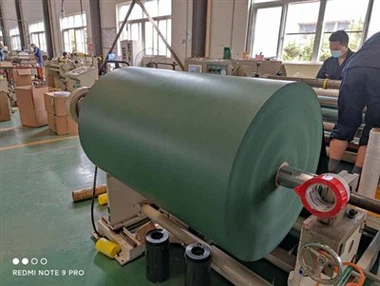
Kraft paper is made from wood pulp and is very durable and tear-resistant. It is also favored for its high dielectric strength, which means it can isolate high levels of electricity. These properties of paper make it ideal for wrapping cables in household appliances.
Diamond dot paper
Diamond Dot Paper (DDP) is similar to kraft paper but is coated with epoxy resin in a small diamond pattern. These patterns increase the insulation barrier and evenly distribute voltage stress for better performance. This type of insulating paper is used in oil-filled transformers to reduce the risk of transformer failure and prevent the negative effects of transformer oil.
Benefits of Paper Insulation
In order to better understand the role of insulating paper, it is important to understand the advantages of insulating paper in the following areas:
Heat insulation
The main purpose of thermal paper insulation is to prevent heat transfer between spaces. When paper is shredded or crumpled, it traps air bubbles in its fibers, creating an invisible escape barrier. Since air is a poor conductor of heat, this barrier manages to prevent heat from moving between its spaces. This helps conserve heat to maintain the temperature in your home, especially during the winter months.
Electrical insulation
Many people die every year due to high-voltage electrical injuries. That's why it's important to properly insulate all appliances. Using paper for electrical insulation not only protects you from electric shock, it also reduces the risk of short circuits and irreversible damage to equipment. For heavier machines like transformers, engineers use winding insulating papers such as kraft paper, Nomex paper, etc.
Sound absorbing
Paper's fibrous structure also helps reduce unnecessary noise in your home and from machines. When noise passes through insulating paper, its fibers disrupt the sound waves and weaken them. Not only does a quieter environment make your home more comfortable, it can also help you better focus on your work at the office.
In conclusion
Paper insulation can be an effective and sustainable way to insulate homes and appliances. However, it is always important that the paper insulation used for your home and appliances is of high quality if you want the most effective results.