In the fascinating world of electrical engineering, insulation materials are key players in the reliability and efficiency of motors and transformers. Among these materials, Insulation Varnish stands out for its unique properties and vital role. Let's dive into what makes Insulation Varnish essential in this field, exploring its applications, advantages, limitations, and suitability.
Applications of Insulation Varnish in Motors and Transformers
Insulation Varnish is primarily used to coat windings and other components in motors and transformers. This coating provides an extra layer of electrical insulation, protecting against short circuits and enhancing the overall durability of the equipment. In motors, it is applied to the windings to improve heat dissipation and mechanical strength. In transformers, Insulation Varnish coats the windings and core, preventing moisture ingress and reducing the risk of electrical breakdown.
Disadvantages of Insulation Varnish
1. Application Complexity: Applying Insulation Varnish requires precision and can be time-consuming, often necessitating specialized equipment and controlled environments.
2. Curing Time: The varnish needs to cure properly to achieve its full insulating potential, which can slow down the manufacturing process.
3. Cost: High-quality Insulation Varnish can be expensive, potentially increasing the overall cost of production.
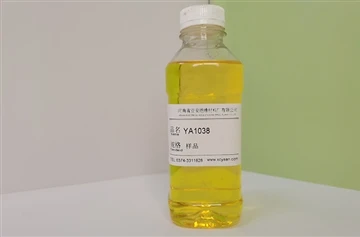
Advantages of Insulation Varnish
1. Enhanced Electrical Insulation
Insulation Varnish significantly improves the dielectric strength of windings, ensuring better electrical insulation and reducing the risk of short circuits.
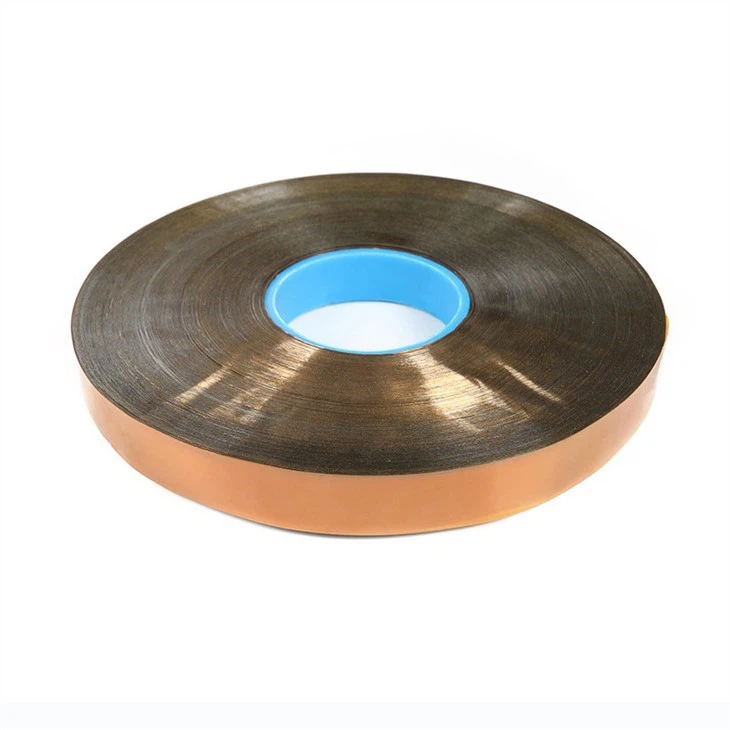
2. Thermal Conductivity
By improving heat dissipation, Insulation Varnish helps maintain optimal operating temperatures, thereby extending the life of motors and transformers.

3. Moisture Resistance
The varnish creates a protective barrier against moisture, which is crucial for preventing corrosion and maintaining the integrity of electrical insulation in humid environments.

4. Mechanical Strength
Coating with Insulation Varnish enhances the mechanical strength of windings, making them more resistant to vibrations and mechanical stresses.
Scope of Application
Insulation Varnish is versatile and can be used in a wide range of electrical and electronic equipment. It is particularly valuable in high-performance motors and transformers that operate in harsh environments, such as industrial machinery, automotive applications, and power generation systems. Its properties make it suitable for applications requiring robust electrical insulation, thermal management, and mechanical resilience.
Conclusion
Insulation Varnish is a critical component in the world of electrical engineering, providing essential protection and performance enhancements for motors and transformers. Its ability to improve electrical insulation, enhance thermal conductivity, resist moisture, and bolster mechanical strength makes it indispensable in many high-stress applications. However, considerations regarding application complexity, curing time, and cost are important when selecting Insulation Varnish for specific uses.
As technology advances, the development of more efficient and effective Insulation Varnishes will continue to support the evolving needs of the electrical industry. Understanding the benefits and limitations of this vital material is crucial for engineers and manufacturers striving to optimize the performance and longevity of their electrical systems. With Insulation Varnish, the future of electrical insulation is brighter and more reliable than ever.