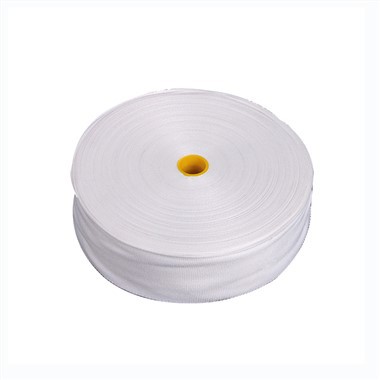
Problems that are likely to occur during the use of Insulation Paper?
Mar 03, 2023
Insulation paper is widely used in electrical equipment and machinery to prevent the flow of electric current and protect against electrical shocks. However, the use of insulation paper can lead to several problems if not handled properly. In this article, we will discuss some of the problems that are likely to occur during the use of insulation paper.
Moisture Absorption: Insulation paper is hygroscopic, which means it has a tendency to absorb moisture from the atmosphere. This can lead to a reduction in the insulation properties of the paper, making it less effective in protecting against electric shocks. Moisture absorption can also cause the paper to become brittle and crack, which can further reduce its effectiveness.
Chemical Degradation: Insulation paper can be affected by chemicals that are present in the environment, such as acids, alkalis, and oils. These chemicals can cause the paper to degrade and lose its insulating properties. Chemical degradation can also cause the paper to become discolored and brittle, which can further reduce its effectiveness.

Thermal Degradation: Insulation paper can be affected by high temperatures, which can cause it to degrade and lose its insulating properties. Thermal degradation can also cause the paper to become brittle and crack, which can further reduce its effectiveness.
Electrical Breakdown: Insulation paper is used to prevent the flow of electric current, but it can itself breakdown if the voltage or current exceeds its maximum rating. This can cause a short circuit and potentially damage the electrical equipment or machinery.
Mechanical Damage: Insulation paper can be damaged during handling, storage, or installation. Mechanical damage can cause the paper to become torn, creased, or otherwise deformed, which can reduce its effectiveness in protecting against electric shocks.
Insufficient Thickness: Insulation paper must be of sufficient thickness to provide effective insulation. If the paper is too thin, it may not be able to withstand the voltage and current it is meant to protect against.
Improper Installation: Insulation paper must be installed properly to ensure its effectiveness. Improper installation can cause gaps or voids in the insulation, which can allow electric current to flow and potentially cause a short circuit.
Incompatibility: Insulation paper must be compatible with the other materials used in the electrical equipment or machinery. Incompatibility can cause the paper to degrade or lose its effectiveness over time.
Contamination: Insulation paper can become contaminated with dust, dirt, or other particles, which can reduce its effectiveness in protecting against electric shocks.
Ageing: Insulation paper can deteriorate over time due to exposure to environmental factors, such as moisture, heat, and light. Ageing can cause the paper to lose its insulating properties and become less effective in protecting against electric shocks.
In conclusion, the use of insulation paper can lead to several problems if not handled properly. These problems include moisture absorption, chemical and thermal degradation, electrical breakdown, mechanical damage, insufficient thickness, improper installation, incompatibility, contamination, and ageing. To ensure the effectiveness of insulation paper, it is important to handle, store, and install it properly, and to regularly inspect and replace it as needed.